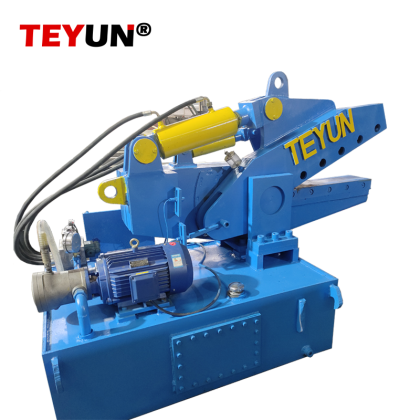
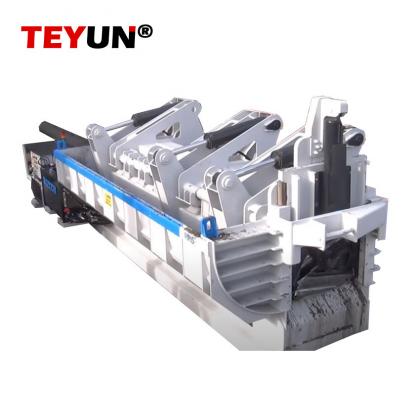
I. Safety Operating Procedures for Alligator shear
1. Pre-operation Inspection:
Personal Protective Equipment: Wear a safety helmet, protective glasses (face shield), cut-resistant gloves, impact-resistant and puncture-resistant safety shoes, hearing protection, and work clothes.
Equipment Inspection: Check the hydraulic oil level, hydraulic lines for leaks, blades for damage and cracks, all fasteners for secure fasteners, and the electrical system for proper functioning.
Work Area: Clear the work area, ensuring the ground is stable and unobstructed. Non-operators must maintain a safe distance. Set up clear warning signs.
2. Precautions During Operation:
Correct Material Feeding: Place the material to be cut (rebar, structural steel, scrap steel, etc.) as close as possible to the root of the blade shaft (where the shearing force is greatest). Ensure the material is placed stably to prevent bouncing or slipping during cutting.
Strictly Prohibited from Using Beyond the Scope of Application: Never cut materials not clearly defined for use, such as sealed containers (risk of explosion), flammable and explosive materials, live electrical wires and cables, or excessively thick solid steel plates. The maximum shearing capacity (diameter/thickness/material) specified by the equipment must be adhered to.
Process Control:
When starting the shear, hands and all parts of the body must be kept away from the blade and the material clamping device.
When shearing long strips of material, auxiliary equipment or personnel must be used to stabilize the end to prevent injury from swaying after shearing.
If material gets stuck, the machine must be stopped and the pressure released before any action can be taken.
Maintain focus and avoid operating while fatigued.
3. After Operation:
Fully open the blade and stop the machine.
Clean up the blade and surrounding debris and impurities.
Park the equipment on a safe, level surface.
II. Daily Maintenance and Care of Alligator Shears
System maintenance can greatly extend the equipment's lifespan and reduce malfunctions.
1. Daily Maintenance:
Cleaning: After work, clean dust, metal shavings, and oil from the equipment, especially the blades, cylinder piston rod, and sensor areas.
Inspection:
Inspect the blades for wear and chipping.
Check all hydraulic joints and pipelines for oil leaks.
Check electrical wiring for damage.
Check all lubrication points (such as the cutter shaft pins) for the need for grease.